Is lead-based paint present?
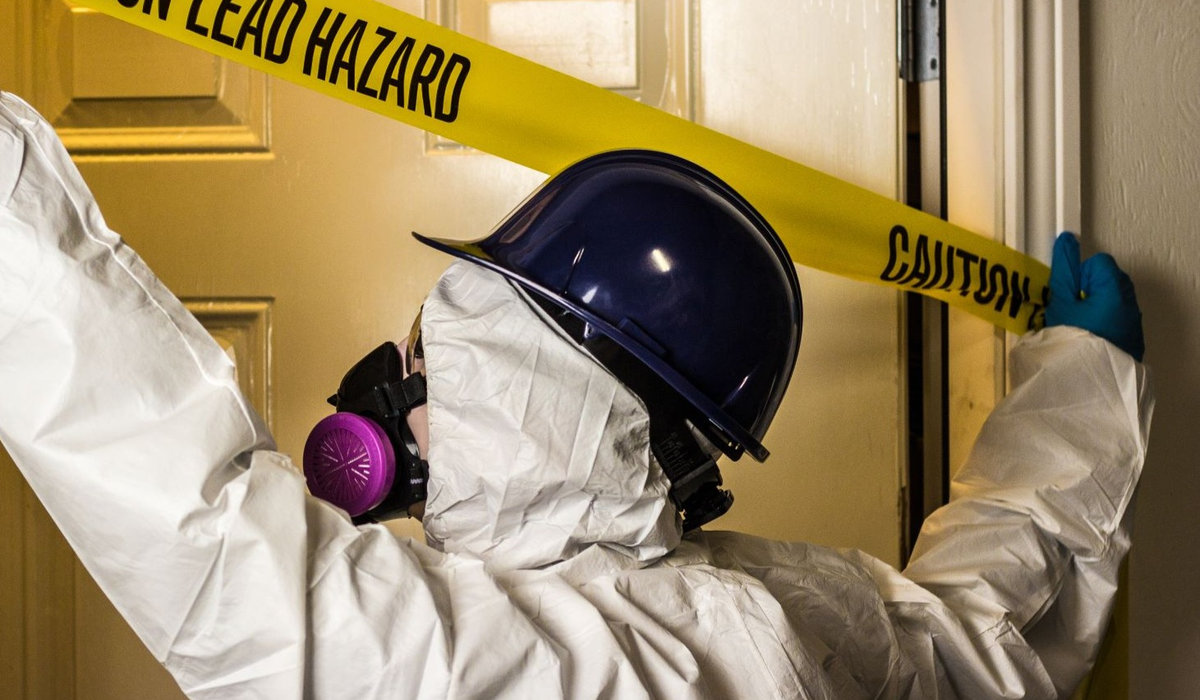
A lead inspection evaluates painted surfaces to determine whether lead-based paint is present and where it is located within the defined scope.
Lead paint testing & hazard evaluation
Whether you are planning a remodel, responding to deteriorated paint, managing a rental, or seeking clearer information about an older property, the right lead evaluation starts with the right question. Atlas helps distinguish finding lead-based paint from identifying conditions that may create exposure.
Lead-based paint inspections
Risk assessments for paint, dust, and soil
Pre-renovation planning
When to call
A lead inspection evaluates painted surfaces to determine whether lead-based paint is present and where it is located within the defined scope.
A risk assessment considers the nature, severity, and location of conditions that may create exposure, including paint, dust, and soil concerns.
Planned disturbance, property age, occupancy, and existing reports help determine which evaluation or lead-safe requirements may apply.
Clearance and cleaning verification are distinct processes. The responsible role, sampling, standards, and reporting should be defined before work begins.
Send the property details now so the team can prepare for a useful first conversation.
A lead inspection is a surface-by-surface evaluation used to determine whether lead-based paint is present and where it is located. It answers: Is there lead paint here, and where?
A risk assessment investigates whether lead hazards exist, where they are located, and what actions may address them. Depending on the scope, it may consider deteriorated paint, friction and impact surfaces, dust, and bare soil.
Renovation is primarily intended to remodel, repair, or restore a property. It may disturb lead-containing paint even when lead hazard work is not the project purpose.
Lead hazard reduction is a broader term for measures intended to make a location lead-safe. Lead abatement is intended to permanently eliminate known or presumed lead hazards. The findings and project objective determine which service should be discussed.
Clearance is not a blanket statement that an entire building is lead-free. Depending on the regulated activity, it can include a visual review and dust sampling with laboratory analysis.
When clearance is required or requested, identify who will perform it, the sampling locations, applicable criteria, and reporting before work begins.
How the process works
Provide the address, building age if known, areas of concern, occupancy, planned work, photographs, and existing reports.
The discussion separates a lead inspection from a risk assessment and clarifies the question the results need to answer.
The results, scope limitations, and decisions the information may support are explained without claiming the entire property is lead-free.
Any renovation, hazard reduction, abatement, cleaning, or clearance coordination is placed in a distinct project-specific scope.
What to expect
Helpful reading
A finished remodel can look clean while lead-contaminated dust remains on floors, windows, and other surfaces. Planning before work begins helps protect occupants and everyone who enters afterward.
Read the articleFrequently asked questions
Choose an inspection when the main question is whether lead-based paint is present and where. Choose a risk assessment when the question is whether lead hazards from paint, dust, or soil are present and what actions may address them.
No. Age is a reason to consider lead, but appropriate testing is how lead-based paint is identified on a specific surface. Paint condition and other exposure conditions determine whether a hazard may be present.
No. Renovation is intended to remodel, repair, or restore. Abatement is intended to permanently eliminate known or presumed lead hazards. Their purposes and requirements differ.
Lead hazard reduction is a broader term for measures intended to make a location lead-safe. It can include abatement or interim controls. The appropriate method depends on the findings and project objective.
Clearance is defined post-work verification and may include a visual review and dust sampling. It is not a blanket certification that the entire property is lead-free.
Atlas Construction & Environmental is licensed by the Minnesota Department of Health to provide regulated asbestos and lead services in Minnesota. Lead inspection, risk assessment, renovation, hazard reduction, abatement, and clearance are distinct services with property- and scope-specific requirements.
Official references
Talk with Atlas Construction & Environmental
Share the property address, timing, known conditions, photographs, and insurance information when applicable. Our team is available 24/7.